Why So Many South Africans Feel Debt Is Unavoidable
For many South Africans, having some form of debt feels almost impossible to avoid.
The cost of living keeps going up year after year. Groceries, fuel, electricity,
transport, and school fees all seem to increase faster than most salaries.
While people may work harder and longer hours, their income often does not stretch
as far as it used to. When this happens, many turn to credit just to make it through the month.
The Growing Dependence on Credit
It has become common to rely on credit to fill the gap between what people earn and what they spend.
Credit cards, personal loans, store accounts, and online credit options are now a normal part of daily life.
Even new systems such as Buy Now Pay Later (which allows you to split payments) encourage people to borrow for
things that used to be bought with cash. It can start with something small and manageable but often grows over time.
This is not surprising when you look around. Credit is offered everywhere.
You can get financing for furniture, clothing, groceries, holidays, and even for pet food.
It feels normal because it is so easy to access. The truth is that the world around us is designed to make
spending seem attractive.
A Culture of Credit
Retailers and credit providers compete for attention and loyalty. Every store, bank,
and app wants you to spend your precious resource (money) with them instead of someone else.
Marketing campaigns promise easy repayments, low instalments, and reward points. Credit is made
to look helpful and even responsible. But the result is that many people start to think of credit
as a tool to survive rather than as something that should be used with great care.
This way of thinking has created what we might call a "credit culture" where it feels
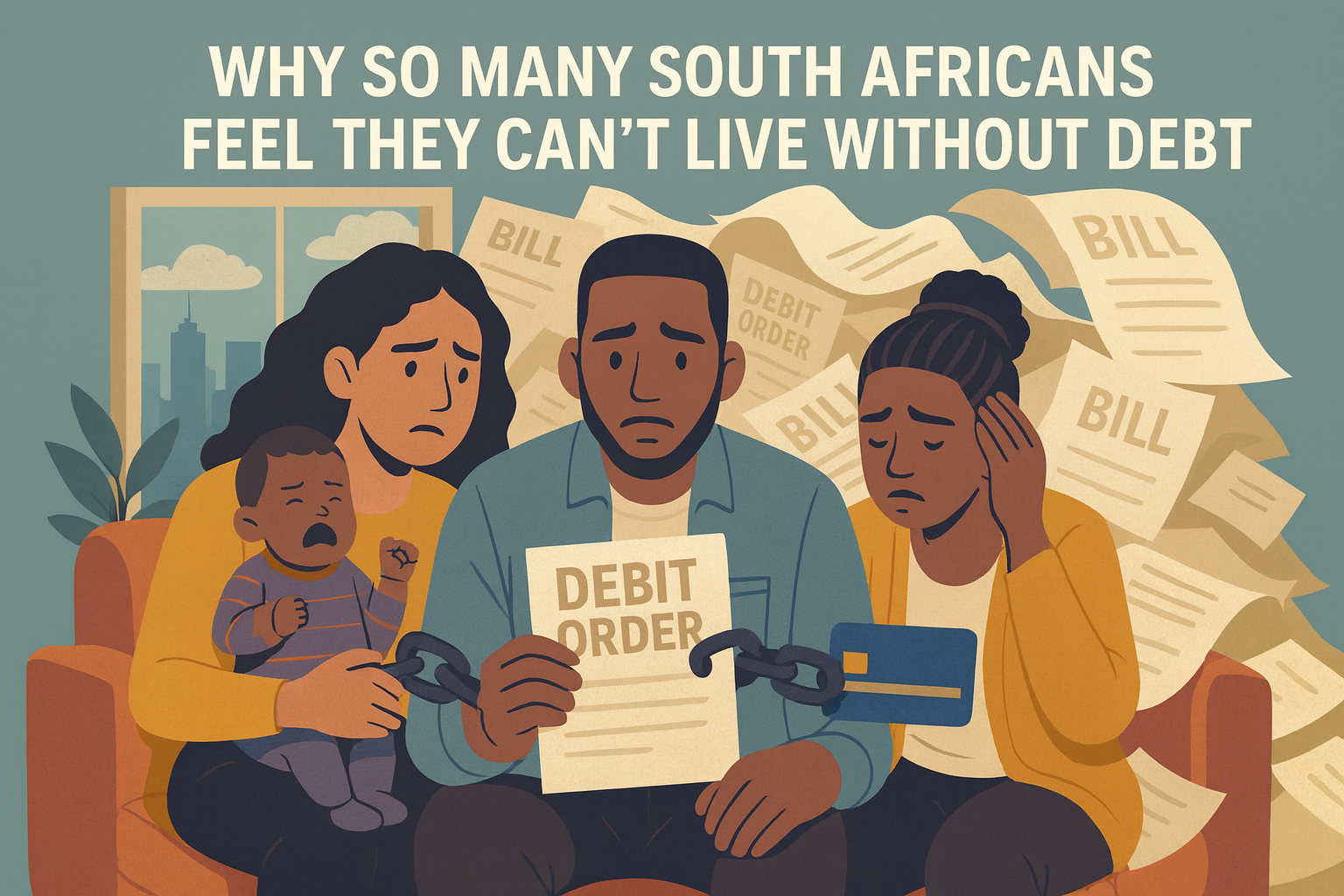
normal to spend money you do not yet have. Over time, this can make people feel trapped.
Instead of money serving them, they end up serving their debts. Their monthly repayments
start to control what they can and cannot do.
The Value of Living Within Your Means
There is another way to live, but it takes effort and self-control. Living within your means
(only spending what you can truly afford) protects you in the long run. It may not feel glamorous,
and it can require real lifestyle changes. You may need to eat out less often, reduce entertainment costs,
or delay buying new things. These adjustments can feel uncomfortable at first, especially when others seem
to be living easily on credit.
However, making these changes gives you freedom. You no longer owe your future time and energy to
credit providers. You start to use your income for your needs rather than for repaying old spending.
It is not easy, but it is worth it. Every time you avoid an unnecessary credit purchase, you are
protecting your future self.
Learning to Make Better Money Choices
Taking control of your finances starts with awareness. Look honestly at where your money goes each month.
You may be surprised at how many small expenses add up. Try to separate your wants from your needs.
Buying something because it feels good in the moment can quickly turn into months (or even years) of repayments.
It is far better to save for what you need than to borrow for what you want.
If you are unsure where to start or what to change, do not feel embarrassed to ask for help.
A professional NCR registered Debt Counsellor can help you look at your income, spending,
and debts in a fair and objective way. They can help you understand what is realistic for
your situation and show you how to make small but effective improvements.
Getting the Right Support
You do not have to face financial pressure alone. With the right guidance,
you can regain control over your money and your peace of mind. A Debt Counsellor
can help you create a plan that makes sense for your lifestyle while keeping you
protected from legal action and unnecessary stress.
Debt may feel like a normal part of modern life, but it does not have to control you.
By learning to live within your means and seeking the right support when needed,
you can build a healthier, more sustainable financial future.